3D Printing for Home & Business
FDM and resin printing are reshaping how Canadians approach prototyping, repair, and small-scale production. This site documents practical applications across both residential and commercial contexts.

Articles
Recent Coverage
Three in-depth pieces on how FDM and resin technologies are used in Canadian homes and small businesses.
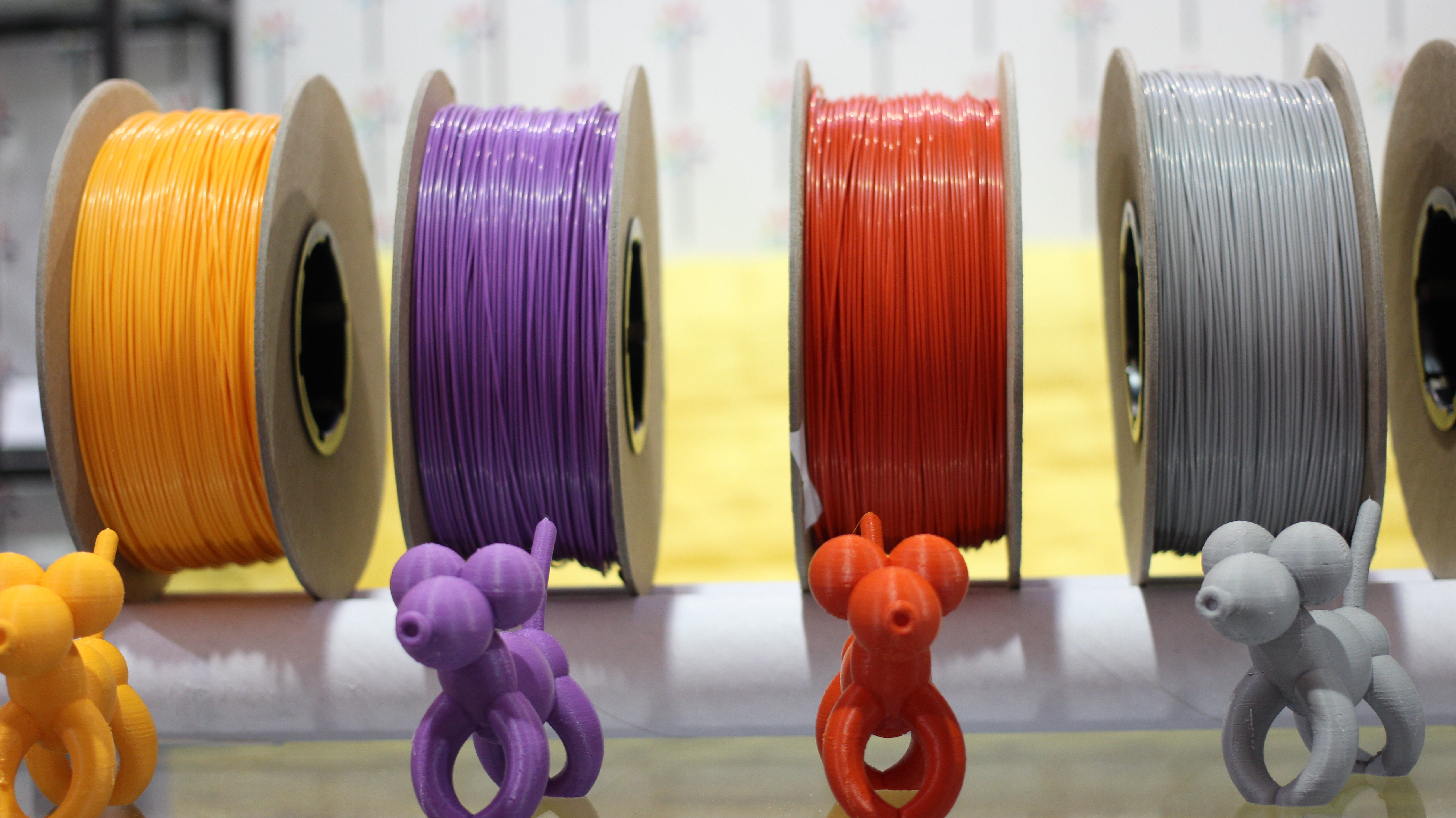
FDM
A Practical Guide to FDM 3D Printing in Canada
Material selection, printer setup, and common use cases for fused deposition modelling in the Canadian climate and supply context.
May 2026

Resin
Resin Printing at Home and in Small Businesses
SLA and MSLA technologies, workspace safety requirements, and real-world output quality for detail-intensive applications.
May 2026

Prototyping
3D Printed Spare Parts and Rapid Prototyping
How individuals and small manufacturers use desktop printers to produce functional replacement components and product prototypes.
May 2026
Overview
Two Technologies, Distinct Applications
FDM and resin printing each have strengths that determine where they fit in home workshops and commercial environments.
Fused Deposition Modelling
FDM printers melt thermoplastic filament and deposit it layer by layer. PLA, PETG, and ASA are the most common materials available from Canadian distributors. The process suits structural components, enclosures, jigs, and large-format objects where fine surface detail is secondary to dimensional accuracy and durability.
SLA & MSLA Resin Printing
Photopolymer resin printers use UV light to cure liquid resin into solid layers at resolutions well below 50 microns. The resulting parts capture fine detail that FDM cannot replicate, making the technology relevant for dental models, jewellery casting, miniatures, and precision mechanical assemblies.
Context
3D Printing in the Canadian Market
Supply availability
Broad
Major filament and resin brands ship to most Canadian provinces through distributors and direct online channels, with cross-border options from US suppliers.
Climate consideration
Significant
Temperature swings across Canadian regions affect filament storage and resin viscosity. Enclosed printers and climate-controlled workspaces produce more consistent results.
Regulatory context
Sector-specific
Health Canada and provincial bodies apply existing product safety frameworks to 3D printed goods. Medical and food-contact applications carry additional compliance requirements.
Community activity
Growing
Makerspaces in Vancouver, Toronto, Montreal, and Calgary provide shared equipment access and practical knowledge exchange for both hobbyists and professionals.
Use cases
Common Applications
Where desktop 3D printing is currently used in Canadian homes and small commercial operations.
Replacement Parts & Repairs
Discontinued hardware components, appliance brackets, and broken furniture fittings can be reproduced from original measurements or scanned geometry. This reduces waste and avoids full product replacement for minor failures.
Interior & Workshop Organizers
Custom wall mounts, cable clips, tool holders, and shelf brackets designed around specific dimensions are among the most frequently printed household objects. The practical value scales with how precisely dimensions need to match an existing space.
Product Prototyping
Small product developers use desktop FDM and resin printers to iterate form factors before committing to injection moulding tooling. Multiple design revisions can be evaluated physically within hours rather than waiting weeks for traditional prototypes.
Short-Run Manufacturing
For quantities where injection moulding tooling costs are prohibitive, desktop printing produces functional parts in small batches. Jigs, fixtures, and custom enclosures are common candidates.
Teaching & Demonstration Models
Physical models of anatomical structures, mechanical assemblies, and architectural forms are produced for classroom use and client presentations. The low per-unit cost makes iterating on pedagogical models practical.
Tooling & Fixtures
Machine shops and assembly lines use printed parts to hold workpieces during secondary operations. High-temperature filaments such as ASA and PC extend the range of environments where printed tooling remains dimensionally stable.