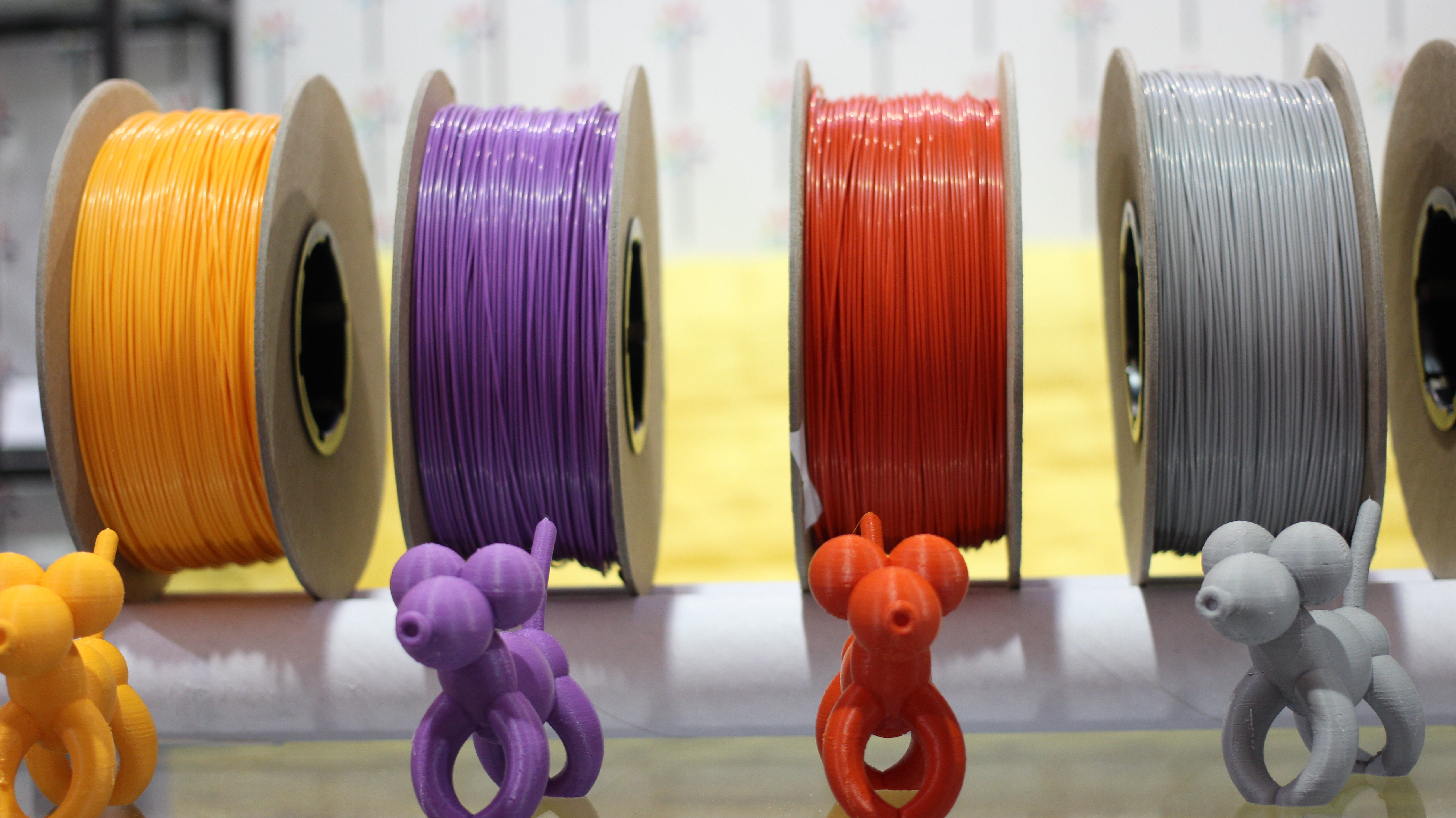
Fused deposition modelling — commonly called FDM or FFF (fused filament fabrication) — is the most widely used desktop 3D printing process. A printer head melts thermoplastic filament and deposits it onto a build plate in successive layers, building up a three-dimensional object from a digital model. The process is straightforward enough that individuals with no manufacturing background can produce functional parts within hours of unboxing a printer.
This guide focuses on what changes when you are operating FDM equipment in Canada: where to source materials, how seasonal temperature shifts affect results, and which use cases have proven practical in residential and small commercial settings.
How FDM works
A spool of filament — typically 1.75 mm or 2.85 mm in diameter — feeds into a heated extruder that melts the material and pushes it through a nozzle. The nozzle moves in a programmed path dictated by slicing software, which converts a 3D model file into machine instructions. Each completed layer drops slightly (or the print head rises) so the next layer bonds to the previous one.
Layer height is the primary determinant of print time and surface smoothness. Common settings range from 0.1 mm (fine, slow) to 0.3 mm (coarse, fast). For structural components where surface finish is secondary, thicker layers are practical.
Common filament materials
PLA (Polylactic acid)
PLA is the default starting material for most FDM printers. It prints at relatively low temperatures (around 200°C), adheres well without a heated bed, and is derived from plant starch. Its main limitation is heat sensitivity: PLA parts can deform at temperatures above roughly 60°C, making it unsuitable for components near heat sources or in hot vehicles during summer.
PETG (Polyethylene terephthalate glycol)
PETG offers better heat resistance and flexibility than PLA while remaining easier to print than engineering-grade filaments. It tolerates temperatures up to approximately 80°C and resists moisture better than PLA — relevant in high-humidity Canadian environments near coastlines or during summer. PETG is commonly used for brackets, enclosures, and parts that experience moderate mechanical loads.
ASA (Acrylonitrile styrene acrylate)
ASA is engineered for outdoor exposure. It resists UV degradation and maintains dimensional stability across the temperature swings common in Canadian winters and summers. Parts printed in ASA are used for exterior-mounted fixtures, automotive trim, and workshop tools that see direct sunlight. The material requires an enclosed printer to prevent warping during printing.
TPU (Thermoplastic polyurethane)
TPU is a flexible filament used for phone cases, gaskets, vibration-dampening mounts, and grips. It is slower to print and requires a direct-drive extruder on most printers. The flexibility makes finished parts resistant to impact fracture — a quality that rigid filaments cannot match.
Sourcing filament in Canada
Several Canadian distributors maintain warehouse stock of common filament brands, avoiding the customs and shipping delays that come with cross-border orders. Filaments are subject to Canadian import duties and HST/GST depending on origin, which affects the effective price of US-priced spools. Domestic suppliers such as Filaments.ca stock a broad range of materials with same-country shipping.
Temperature during shipping affects filament quality. PLA and PETG are generally tolerant of cold transit, but extreme cold can make brittle filaments more prone to snapping during loading. Storing filament in sealed bags with desiccant packets is standard practice regardless of climate zone.
Environmental factors in Canada
Cold workshops
FDM printers produce better results at stable ambient temperatures. In unheated garages or workshops during Canadian winters, cold air can cause warping, layer separation, and inconsistent extrusion. Enclosing the printer — either with a purpose-built enclosure or a DIY box — maintains a warmer, consistent microclimate around the print. Most materials above PLA benefit from some degree of enclosure even in moderate ambient temperatures.
Humidity and filament storage
Nylon, PETG, and TPU absorb atmospheric moisture and print poorly when wet — producing stringing, bubbling, and surface defects. In humid coastal regions and during summer months, storing open spools of these materials with silica desiccant is essential. Filament dryers are available from the same distributors that sell filament and are a practical investment for anyone printing regularly with moisture-sensitive materials.
Typical applications in Canadian homes and businesses
Replacement and repair parts
One of the most practical residential uses of an FDM printer is reproducing broken or discontinued components. Appliance knobs, shelf clips, door handles, and fastener covers are frequently modelled from measurements and printed in PLA or PETG. The time investment is the reverse engineering step — finding or creating an accurate 3D model — rather than the print itself.
Platforms such as Printables and Thingiverse host large libraries of community-designed models, including replacement parts for common household items. Many Canadians find what they need without modelling from scratch.
Workshop and garage organization
Custom tool holders, bit organisers, cable management clips, and shelf brackets designed around a specific space are among the most common FDM prints in Canadian garages. The value is in the fit: a bracket designed for a specific drill model fits better than anything available off the shelf.
Small business prototyping
Product developers use FDM printers to test form factors before committing to injection moulding tooling. Multiple iterations can be evaluated physically within the same day. PETG and ABS are common choices for prototypes that need to withstand handling.
Printer selection considerations
For home users beginning with PLA and PETG, an open-frame printer in the 200–400 CAD range is sufficient. The Bambu Lab A1 Mini and the Prusa MK4 represent two ends of the ease-of-use and configurability spectrum in that range and above. For ASA, Nylon, or consistent PETG, an enclosed printer is worth the additional cost. Bambu Lab's P1 and X1 series are the most commonly referenced enclosed options currently available through Canadian retailers.